

Gabriel Pereira is the creator of Wayfind. His work focuses on helping people choose what to do in Florida based on where they are, who they are with, and the time they have.
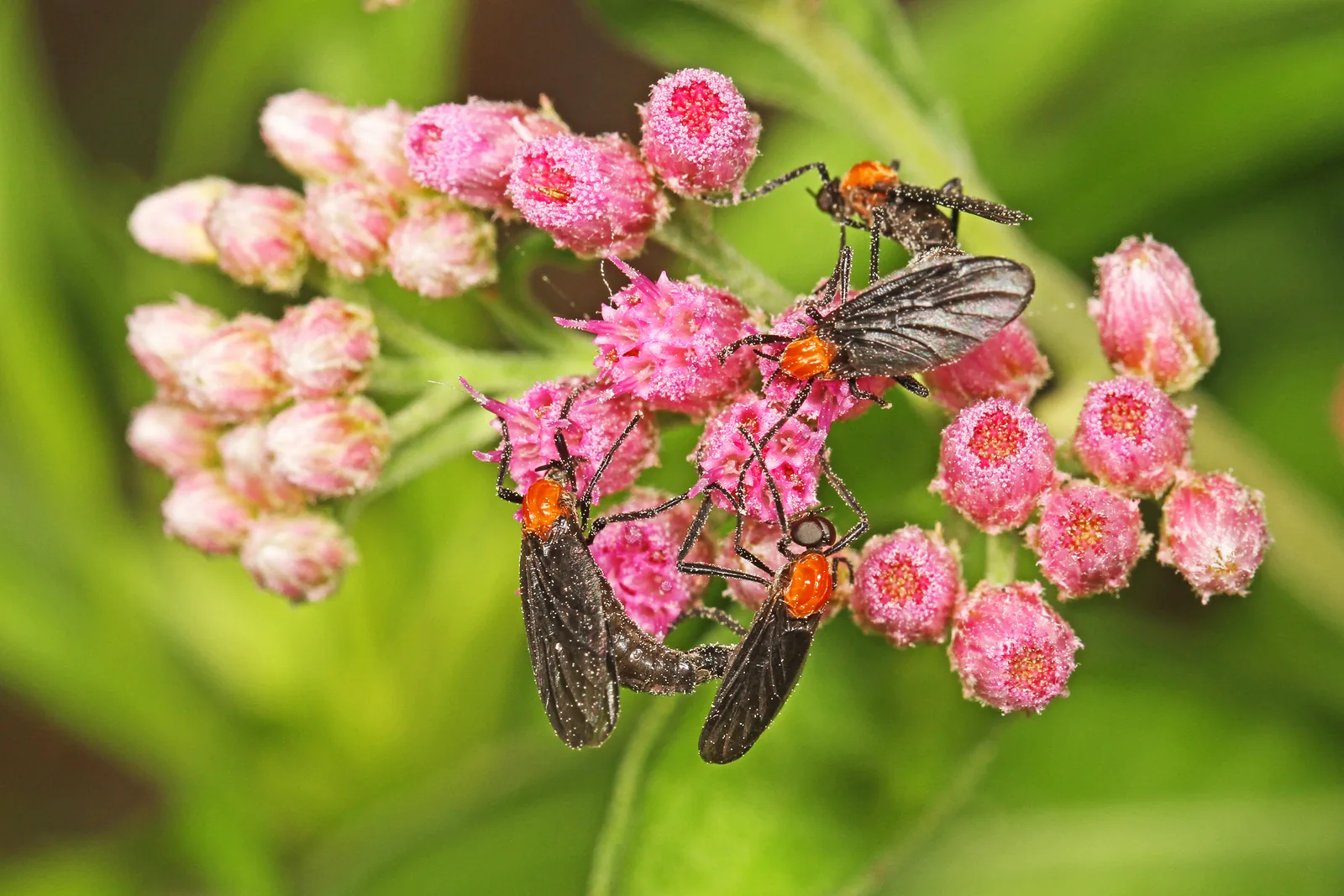
Florida lovebug season usually shows up twice a year, first in April and May, then again in August and September. They are annoying, but they do not bite or sting. UF/IFAS says lovebug swarms peak around 10 to 11 a.m. and again around 6 to 8 p.m. Lovebugs do not fly at night. The swarms disappear after dark. The strange part is how local the problem can be. Two places only 20 to 30 miles apart can have a completely different lovebug problem. A town 20 miles away can look ordinary while your windshield is getting hammered. So if your windshield is getting hammered today, you do not necessarily need to cancel the day. A shorter drive, a different time, or a good indoor plan can make a much better move.
LOVEBUGS TODAY: THE USEFUL PART
- Season
- April and May / August and September
- Peak swarming
- 10 to 11 a.m. / 6 to 8 p.m.
- At night
- No lovebug flight
- Bite or sting
- No
- Nearby conditions
- Can differ within 20 to 30 miles
- Car
- Wash heavy residue promptly
In this guide 8 sections
Why are lovebugs suddenly everywhere?
Lovebugs spend most of their lives out of sight. Florida has two major adult generations each year. When adults emerge, huge numbers can appear almost at once. The adult stage is short. UF/IFAS says adults live only about three to four days, although an emergence can remain noticeable in a particular area for a few weeks. That helps explain the strange Florida experience where one day a road looks normal and the next your windshield looks like it drove through a cloud of insects. It also explains why a friend 25 miles away might wonder what you are complaining about. Lovebugs are poor fliers. Local emergence, wind, moisture and habitat can produce highly uneven hotspots.
What time of day are lovebugs worst?
Timing matters. UF/IFAS reports swarming peaks around 10 to 11 a.m. and again around 6 to 8 p.m. Lovebugs do not fly at night. That does not mean you should automatically schedule every drive after dark. Normal road safety, storms, visibility and fatigue matter more than avoiding an insect. But if your plans are flexible, there is no reason to choose a long drive through an active lovebug area at one of the busiest swarm times. For many Florida days, an indoor midday plan is the easier move.
Why do lovebugs cover cars?
Cars unfortunately create several things lovebugs like. Research summarized by UF/IFAS connects lovebug activity around roads with heat and automobile exhaust. Fast moving vehicles then encounter large numbers of weak flying insects. That combination explains the classic Florida windshield, grille and bumper problem. It is less a case of lovebugs attacking your car and more a case of your car driving directly through their world.
Do lovebugs really destroy car paint?
The popular version of this story is too simple. Fresh lovebug remains are not instantly powerful acid. UF/IFAS reports that the material can become more acidic as it sits. Heat, sunlight, microorganisms and residue left on the vehicle are the bigger problem. The useful advice is simple. Do not panic because one lovebug hit the bumper. After a heavy encounter, wash the residue off rather than letting it bake in the Florida sun for days.
Are lovebugs dangerous?
Mostly no. Lovebugs do not bite. They do not sting. UF/IFAS describes them as a nuisance rather than a dangerous pest. Their larvae are actually useful decomposers that feed on dead plant material. The adult swarm is the part Floridians remember because millions of harmless little decomposers are less charming when they are stuck to a windshield.
No, the University of Florida did not create them
Florida has repeated this story for decades. The rumor says University of Florida scientists created lovebugs to control mosquitoes and accidentally released them. UF/IFAS says that is false. Lovebugs expanded naturally through the Gulf region and into Florida. So yes, Florida has lovebugs. No, a scientist in Gainesville did not build them in a lab.
The Wayfind move: change the plan, not the whole day
Lovebug season is exactly the kind of Florida problem where a local discovery app should be more useful than a directory. You do not always need another list of attractions. Sometimes you need the answer to a much simpler question. Where should we go right now if outside is annoying? Wayfind already distinguishes indoor and outdoor places and uses conditions such as weather fit when deciding what makes sense. During lovebug season, the practical playbook is simple. Choose a strong indoor anchor. Keep unnecessary driving shorter when local activity is heavy. Move outdoor time to another part of the day when conditions make sense. Then clean the front of the car after a bad swarm instead of leaving the evidence there all week. That is a much better Florida plan than staying home because bugs exist.
SKIP THE SWARM
Indoor Florida moves when outside is getting annoying.
Gulf Coast
1
ActivitiesThe Bishop Museum of Science and NatureTop Activities pickYou get a 50-foot full-dome planetarium, the Parker Manatee Rehabilitation Habitat@manateelittlelocalsTikTok
2
3
ActivitiesSarasota Art MuseumTop Activities pick🏷️ DealA contemporary kunsthalle — no permanent collection — in the 1926 M
Tampa Bay
1
2
3
Orlando
1
ActivitiesOrlando Science CenterTop Activities pick1955 hands-on science museum in Loch Haven Cultural Park
2
3
4
ActivitiesMuseum of Illusions Orlando
Can Wayfind tell me where lovebugs are worst right now?
Not yet. Wayfind can already understand parts of the decision, including whether a place is indoor or outdoor and whether current weather makes an outdoor plan less attractive. Lovebug intensity is different. There is not currently a verified live lovebug feed behind this page, so Wayfind should not paint a low or high lovebug badge without evidence. The opportunity is bigger than a bug badge anyway. A future Florida conditions layer could combine signals such as rain, heat, beach water quality, red tide, sargassum and seasonal nuisances, then change which outing makes the most sense. That engine is not live. For now, use this guide to understand the timing and let Wayfind help with the place. If you are already in Orlando, the indoor rain guide is a close sibling. Sarasota and Tampa each have their own things to do guides when you want a fuller local plan.
Sources and verification
Details can change. Confirm current information with the source before making a special trip.
- UF/IFAS Extension, Living with Lovebugs (ENY 840 / IN694), Norman C. Leppla
- UF/IFAS Extension Santa Rosa County, Don't Believe the Rumors, We Didn't Invent Lovebugs!, Matt Lollar, September 1, 2026
- UF/IFAS News, Lovebugs are back! But experts say the familiar Florida pest is a harmless nuisance, May 19, 2026
Researched using current UF/IFAS guidance and Wayfind place inventory checked on September 13, 2026.
Good to know
When is lovebug season in Florida?
Florida's two familiar lovebug periods occur around April and May and again in August and September. Exact local activity can vary significantly, so one area can experience a heavy emergence while another nearby area sees much less.
What time of day are lovebugs worst?
UF/IFAS reports lovebug swarming peaks around 10 to 11 a.m. and again around 6 to 8 p.m. Activity depends on temperature, light, weather and local emergence conditions.
Do lovebugs fly at night?
No. UF/IFAS reports that lovebugs settle on vegetation as light levels fall and do not fly during the night.
Do lovebugs bite or sting?
No. Lovebugs do not bite or sting and are considered a nuisance rather than a dangerous pest.
How long does lovebug season last?
The large adult appearances usually last only a few weeks during the spring and late summer or early fall emergence periods. Individual adults live only a few days.
Did the University of Florida create lovebugs?
No. UF/IFAS specifically rejects that long running Florida myth. Lovebugs expanded naturally through the Gulf region and into Florida.
Why are lovebugs attracted to cars?
Research summarized by UF/IFAS connects lovebugs with automobile exhaust and heat. Heavy emergence near roads plus fast moving vehicles produces the familiar Florida windshield problem.
Can lovebugs damage car paint?
The bigger risk comes from allowing heavy residue to remain on the vehicle and bake in sunlight. UF/IFAS recommends removing lovebugs promptly, and its guidance notes that cleaning within about 24 hours is a useful protective step after a heavy encounter.
Keep exploring
Every one of these is a ranked list, not a directory page.
Know someone this would help? Send it to them — they'll get the same picks, ranked from where they are.
One email with these picks, plus what changes in Florida — new openings, closures, and what locals are actually doing. No spam, unsubscribe anytime.
Planning the rest of your trip? Wayfind ranks every restaurant, attraction, and hotel near you with live hours and honest scores.